What Marketers Need to Know About AI in Digital Marketing
Artificial Intelligence (AI) is no longer optional in today’s competitive online landscape—it is essential. As customer expectations rise and digital channels multiply, businesses need smarter, faster, and more efficient ways to engage their audiences. This is where AI in digital marketing becomes crucial.
AI has become one of the most transformative forces in digital marketing. In an era where customers interact with brands across multiple devices and platforms, businesses generate enormous volumes of data every second. AI enables marketers to process this data, extract meaningful insights, predict consumer behavior, automate decisions, and deliver highly personalized experiences at scale. From predictive analytics to content generation, AI is no longer a futuristic concept but a practical tool reshaping how brands connect with their target customers/audiences.
Applications of AI in Digital Marketing
This article explores the major applications of AI in digital marketing in the following sub-sections.
Content Creation and Optimization
Gen AI tools like ChatGPT, Meta AI, Midjourney etc. assist marketers in generating and refining content. Platforms like HubSpot use AI to suggest blog topics, optimize email subject lines, and score leads. Grammarly enhances grammar, tone, and clarity. Midjourney is one of the best Gen AI tools for images.

AI-powered SEO tools further analyze keywords and competitor strategies to improve search rankings and organic traffic.
Personalized Product Recommendations
Personalization is one of AI’s most impactful uses. AI systems analyze browsing history, purchase behavior, search queries, and preferences to recommend relevant products or content.

Amazon uses AI-powered recommendation engines to suggest products through features like “Customers who bought this also bought” and “Recommended for you.” These systems rely on machine learning models that analyze millions of interactions to increase cross-selling and upselling.
Chatbots and Conversational Marketing
AI-powered chatbots have revolutionized customer service and engagement. These bots use Natural Language Processing (NLP) to understand customer queries and respond instantly.
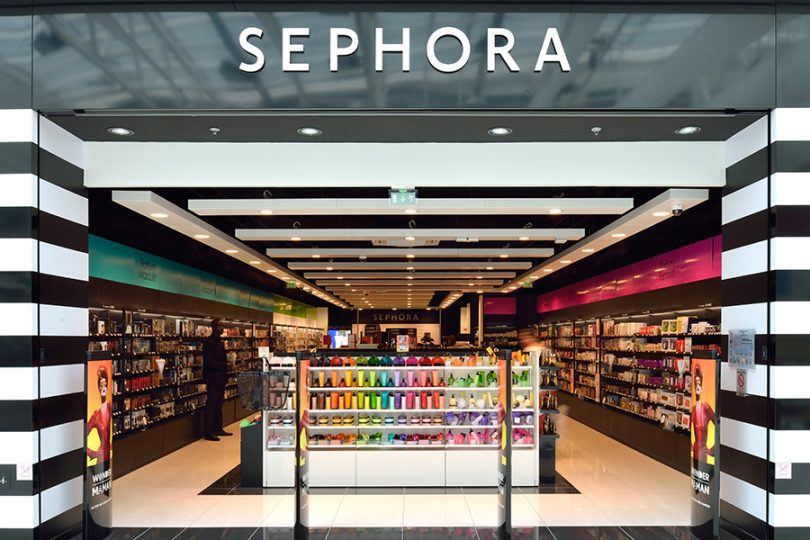
Sephora, cosmetics retailers uses chatbots to offer beauty advice and booking services, while H&M, a fashion retailer helps customers find outfits based on style preferences. Customers can receive personalized makeup suggestions without visiting a physical store. These bots operate 24/7, reduce response time, lower support costs, and collect valuable customer data for future marketing improvements.
Predictive Analytics and Customer Insights
Predictive analytics uses AI to forecast future behavior based on historical data. Starbucks leverages AI in its mobile app to recommend drinks and promotions based on purchase history, location, and time of day. Target applies predictive models to identify buying patterns and send personalized promotions. This proactive approach increases conversions and strengthens customer loyalty.
Dynamic Pricing
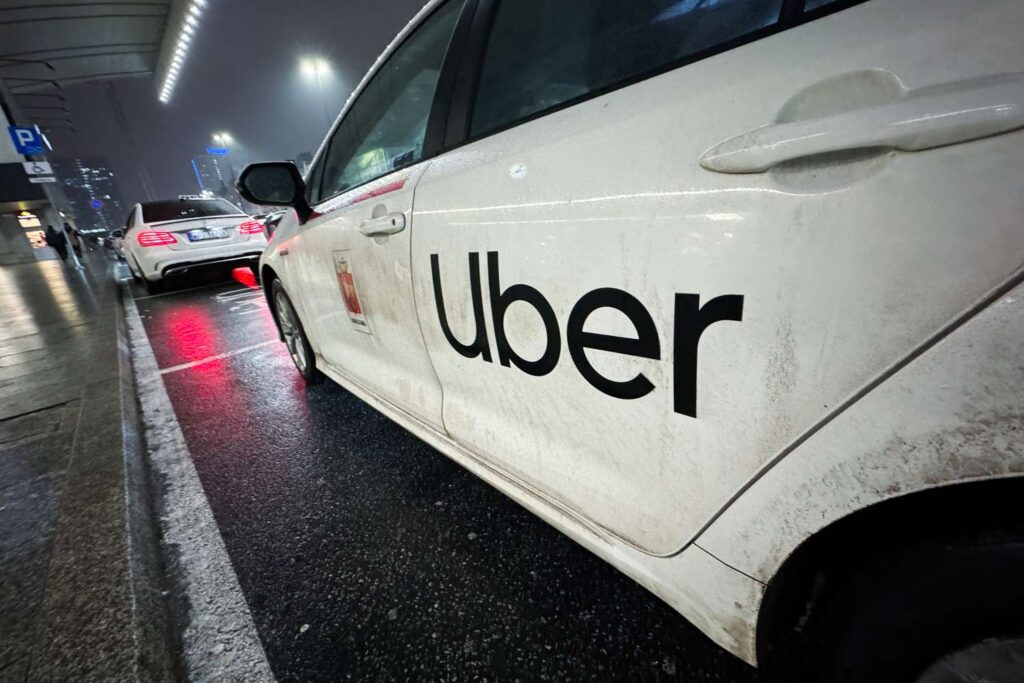
Dynamic pricing uses AI to adjust prices based on demand and market conditions. Online cab-aggregators like Uber. Ola etc. applies surge pricing during high-demand periods, while Airbnb recommends optimal rates for hosts based on seasonality and competition. This strategy maximizes revenue while maintaining competitiveness.
Email Marketing Automation
AI enhances email marketing by segmenting audiences, predicting open rates, and personalizing messages. Spotify sends personalized emails such as “Discover Weekly” and “Year in Review,” which are generated using AI analysis of listening habits. These personalized campaigns increase user engagement and retention. Many e-comm firms use Behavior-triggered email marketing.

Behavior-triggered email marketing uses automated, personalized messages sent instantly in response to specific user actions (e.g., clicks, purchases, page views, cart abandonment) rather than on a fixed schedule. These timely, relevant emails boast, on average, over 75% of email revenue, with 624% higher conversion rates than batch-and-blast campaigns.
Programmatic Advertising
AI has transformed digital advertising through automated media buying. Programmatic advertising is the automated, data-driven buying and selling of online advertising space, replacing manual negotiations with AI-powered, real-time bidding (RTB). It allows advertisers to target specific audiences across websites, mobile apps, video, and connected TV (CTV) in milliseconds, ensuring highly efficient ad placements. To know more on
Google uses AI-driven Smart Bidding to optimize ad placements based on user behavior, device, and location. Programmatic advertising improves targeting precision and maximizes return on investment (ROI).
Visual Recognition and Image Search
AI-powered visual recognition allows customers to search for products using images rather than text. Pinterest uses visual search technology that allows users to upload images and find similar products. This enhances product discovery and drives purchase decisions. IKEA integrates AI in its mobile app to allow users to visualize furniture in their homes using augmented reality.
Customers can see how products fit into their space before purchasing. Visual AI improves customer confidence and reduces return rates.

As mentioned above, AI has revolutionized digital marketing by enabling personalization, automation, predictive insights, and real-time optimization. From recommendations and chatbots to programmatic ads and journey mapping, AI empowers brands to deliver smarter, more engaging, and data-driven marketing strategies that drive measurable growth. So, marketers must utilise AI optimally so as enhance their business performance.